
Estate Planning and Probate – What You Need to Know
Estate planning and probate aren’t just legal processes — they are the steps that protect your family, secure your assets, and ensure your wishes are honored. Whether you’re preparing a will, creating a trust, granting a power of attorney, or navigating probate after a loved one’s passing, having experienced counsel by your side can make all the difference. At Gallon, Takacs & Boissoneault, our Ohio Estate Planning Probate Attorneys guide you through every decision with clarity, compassion, and a thorough understanding of Ohio law, so you can move forward with confidence and peace of mind.
Why Estate Planning and Probate Matter in Ohio
Planning allows you to protect your loved ones from unnecessary legal delays, reduce costs, and avoid disputes. Without the right documents, your family could face a lengthy and public probate process.
Ohio law provides tools to help you safeguard your assets, streamline property transfers, and make your wishes clear — but these tools are only effective when properly crafted and executed. Our Toledo estate planning attorneys tailor every plan to your personal, financial, and family needs.
Estates vs. Probate: What’s the Difference?
Many people confuse the terms “estate” and “probate.” In simple terms, your estate is everything you own — from real estate and bank accounts to personal items and investments. Probate is the legal process used to settle your estate after death.

Our Estate Planning Services
Our estate planning lawyers in Toledo and Northwest Ohio work closely with you to create a plan that ensures your assets are distributed efficiently, your family is cared for, and your intentions are honored.
We provide:
Wills that meet all of Ohio’s legal requirements and prevent costly disputes.
Living Trusts to preserve privacy, avoid probate, and protect beneficiaries.
Durable Powers of Attorney for finances and healthcare.
Advance Directives that document your medical preferences.
Guidance on structuring beneficiary designations, protecting vulnerable family members, and planning for blended families.
A will is often the cornerstone of an estate plan. We guide you from assessing your assets to final execution, ensuring your will is enforceable and personalized.
In many cases, we recommend a living trust, which can provide privacy, flexibility, and the ability to bypass probate entirely when properly funded. Trusts are particularly beneficial for minimizing taxes, controlling distributions, and safeguarding family assets.
Steps to Building a Strong Estate Plan
The process begins with understanding what you own. Assets may include:
Tangible property: homes, land, vehicles, antiques, artwork, collectibles.
Intangible property: bank accounts, CDs, stocks, bonds, mutual funds, retirement accounts, life insurance, HSAs, and business ownership interests.
Once you have a complete list, you can focus on protecting those assets and the people you care about. This includes:
Reviewing life insurance coverage.
Naming guardians for minor children and providing care instructions.
Creating legal directives such as living wills, durable financial powers of attorney, or limited POAs for specific needs.
In many cases, a living trust offers added protection — allowing you to set aside assets during life, ensure management if you become incapacitated, and transfer property to beneficiaries without probate delays.
It is also vital to review your beneficiary designations on all accounts and policies. These designations override instructions in your will and must align with your overall plan.
Finally, an effective estate plan should be revisited every three years or after major life events such as marriage, divorce, birth, death, or significant financial changes.
What Happens Without a Will
Dying without a will leaves your estate subject to Ohio’s intestacy laws, which follow a fixed formula based on your surviving relatives. This can result in unintended outcomes, such as excluding stepchildren, friends, or charities you care about. The process may be longer, more expensive, and more public than necessary. Creating a will or trust keeps you in control of these important decisions.
Living Trusts vs. Wills
A living trust takes effect during your lifetime, can be managed if you become incapacitated, keeps your affairs private, and — when funded properly — avoids probate. A will only becomes effective upon death, generally requires probate for assets it covers, and is part of the public record. Many clients benefit from using both together, with a “pour‑over” will directing any remaining assets into the trust.
Powers of Attorney
A durable power of attorney ensures that, if you cannot act for yourself, someone you trust has the legal authority to manage your financial or healthcare matters. In Ohio, these documents must be carefully drafted, signed, and either notarized or witnessed, with clearly defined powers. This prevents unnecessary court involvement and helps ensure your wishes are respected.
Understanding Probate in Ohio
Probate is the court‑supervised process that occurs after someone passes away, whether they had a will or not. If there is a valid will, the court ensures that property is distributed according to its terms; without a will, Ohio’s intestacy laws dictate who inherits. Probate involves validating the will, appointing an executor or administrator, identifying and valuing assets, notifying creditors, paying debts and taxes, and distributing what remains. Certain assets — such as trust property, jointly owned accounts, or those with named beneficiaries — can bypass probate entirely. Having knowledgeable probate counsel can help you navigate the process efficiently, minimize costs, and reduce the stress on your family.
How Our Probate Lawyers Help Families in Ohio
Probate is the court-supervised process that occurs after someone passes away, whether they had a will or not. If a valid will exists, the court ensures assets are distributed according to its terms. Without a will, Ohio’s intestacy laws dictate who inherits.
Probate typically involves:
Validating the will.
Appointing an executor or administrator.
Identifying and valuing assets.
Notifying creditors.
Paying debts and taxes.
Distributing what remains to heirs.
Certain assets — like trust property, jointly owned accounts, or those with named beneficiaries — can bypass probate. Our Toledo probate lawyers help families streamline this process, minimize costs, and reduce stress.
Local Knowledge That Makes a Difference
For more than 70 years, Gallon, Takacs & Boissoneault has been trusted by families across Northwest Ohio. Our attorneys know the local probate courts, understand the procedures judges follow, and bring practical insight into how to move cases forward efficiently. That local knowledge, combined with proven legal skill, allows us to protect families, preserve assets, and resolve matters with clarity and compassion.
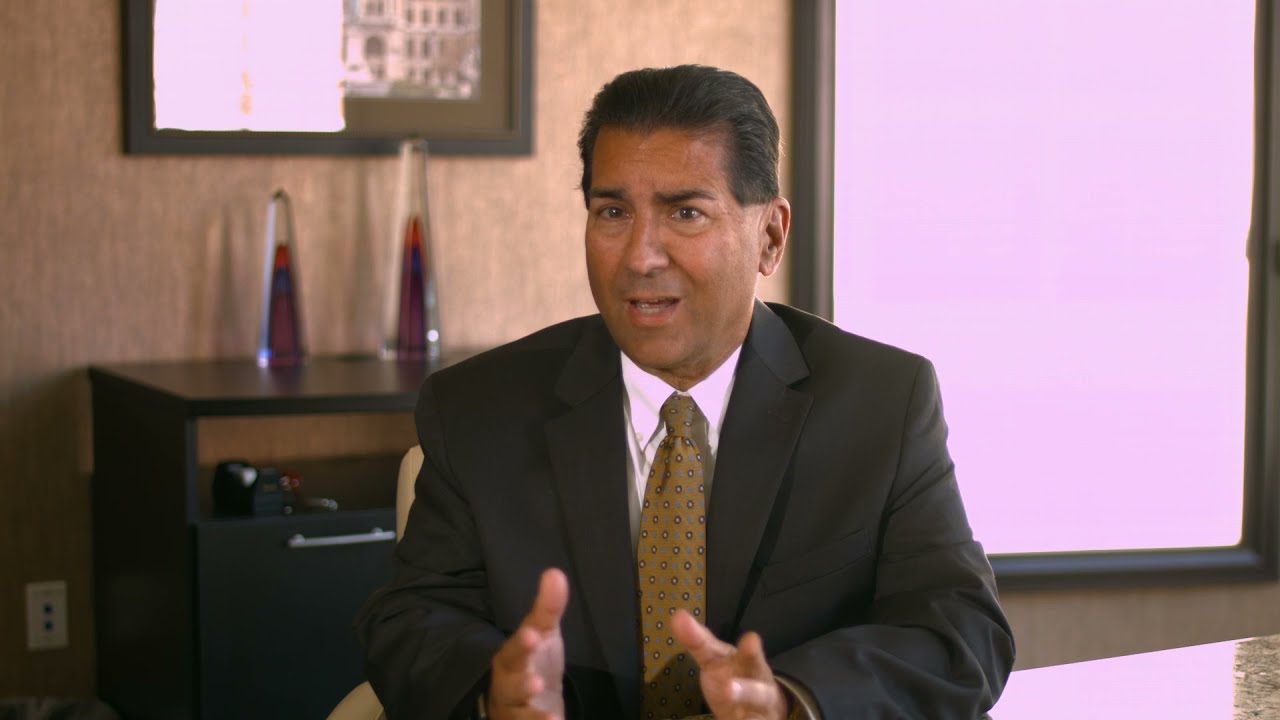
Because probate often becomes more complicated when someone dies without a Last Will and Testament, attorney Michael Dansack explains in this video what families may face and why planning is so important in Ohio:
Probate & Estate Planning Attorneys in Toledo
At Gallon, Takacs & Boissoneault, we understand that estate planning and probate decisions are some of the most personal and important choices you will ever make. With more than 70 years of experience serving families across Northwest Ohio and Southeast Michigan, our attorneys provide the knowledge, guidance, and compassion you need to protect your loved ones and your legacy. Whether you are drafting your first will, creating a living trust, establishing powers of attorney, or navigating probate after the loss of a loved one, we are here to stand by your side. Call us today at 419-843-6663 or reach out through our online contact form to schedule a free consultation and take the first step toward securing peace of mind for you and your family.
