
By: Julie A. Lorincz, Personal Injury Attorney
Gallon, Takacs & Boissoneault Co., L.P.A.
If you were injured in a car accident, you may know exactly what happened. The other driver ran a red light, failed to yield, followed too closely, or changed lanes without looking.
But knowing what happened and proving what happened are two different things.
When an injury claim is involved, the insurance company will look for evidence. They may review the police report, photographs, witness statements, vehicle damage, video footage, medical records, and any other evidence that helps explain how the crash occurred.
That is why proving fault after a crash starts with documentation. The stronger the evidence, the harder it is for the insurance company to ignore what happened or shift blame unfairly.
How Do You Prove Fault After a Crash?
Each piece of evidence helps show how the crash happened.
The insurance company may make an early decision about fault. But that decision is not always final. New evidence may change how the crash is evaluated.
At Gallon, Takacs & Boissoneault, we help injured people after car accidents in the states where our firm handles personal injury claims. Because fault rules can vary by state, we look at the evidence, the law, and how the insurance company is evaluating responsibility.
Even when the other driver seems clearly responsible, the insurance company may still ask questions. Even when the other driver seems clearly responsible, the insurance company may still ask questions. The adjuster may say the facts are unclear, argue that both drivers share fault, or try to blame the injured person.
That is why evidence matters from the beginning.
“One thing many people do not realize is that evidence starts disappearing quickly. Surveillance footage gets deleted, vehicles get repaired, and witnesses become harder to find. Acting quickly can make a big difference in proving what happened.” – Julie Lorincz, Personal Injury Attorney, Gallon, Takacs & Boissoneault
The strongest car accident cases are usually built with several pieces of evidence working together. One photo, one witness, or one report rarely proves everything. Instead, the evidence helps tell the full story of how the crash happened and who caused it.
Can Both Drivers Share Fault After a Car Accident?
Yes. In many car accident claims, more than one driver may share fault. That means the insurance company may agree the other driver caused the crash, but still argue that you were partly responsible.
This is why evidence matters. The percentage of fault assigned to each driver can affect whether an injured person can recover compensation and how much they may recover.
The rules are different depending on where the crash happened.
- In Ohio, an injured person may still recover compensation if their fault was not greater than the fault of the other person or people involved. Any recovery is reduced by the injured person’s percentage of fault.
- In Michigan, damages may also be reduced by the injured person’s percentage of fault. If the injured person’s fault is greater than the combined fault of the other person or people involved, non-economic damages may not be awarded.
- In Indiana, an injured person may be barred from recovery if their fault is greater than the fault of the person or people who caused the damages.
These rules matter because insurance companies may try to assign partial blame after a crash. Strong evidence can help show how the crash happened, who caused it, and whether the insurance company’s fault decision is supported by the facts.
How Is Fault Determined After a Car Accident?
That usually means reviewing the police report, witness statements, photographs, vehicle damage, video footage, medical records, and any other evidence that helps explain how the crash occurred.
In a personal injury case, fault often comes down to negligence. Negligence means a driver failed to use reasonable care. That could mean speeding, texting, following too closely, failing to yield, running a stop sign, making an unsafe turn, or simply not paying attention.
Insurance companies do not automatically accept fault just because someone was injured. They review the details and may look for ways to reduce, challenge, or shift responsibility for the claim.
So even when you know what happened, the real question is this: what does the evidence prove?
What Evidence Helps Prove Fault After a Crash?
One piece of evidence usually does not prove fault by itself. Most car accident cases need several pieces of evidence working together.
Helpful car accident evidence may include:
• Witness statements
• Police reports
• Photos of the accident scene and vehicle damage
• Surveillance footage or dashcam video
• Medical records
• Vehicle damage patterns
• Driver statements
• Cell phone records, when relevant
• Expert opinions, if needed
Witnesses often help when drivers disagree about what happened. A witness may explain where the vehicles were, which driver had the right of way, whether someone ran a light, or whether a driver appeared distracted.
Police reports may also provide useful details. A report may include driver statements, witness contact information, citations, diagrams, and the officer’s observations at the scene.
Photos can help show what words cannot. Pictures of vehicle damage, skid marks, traffic signals, debris, road conditions, weather conditions, and the surrounding area may help explain how the crash happened.
Video footage often gives one of the clearest views of the crash. A nearby business, home security camera, traffic camera, or dashcam may capture the collision or the moments leading up to it.
Timing matters. Evidence available right after the crash may not exist later.
Is the Police Report Enough to Prove Fault?
No. A police report is important, but it is usually not enough by itself.
Insurance companies often look closely at the police report, but they also review photos, videos, witness statements, vehicle damage, medical records, and other evidence.
“The police report is often one of the first things we review because it helps us understand what happened and identify other important evidence, such as witnesses or surveillance footage. – Julie Lorincz, Personal Injury Attorney, Gallon, Takacs & Boissoneault
If the police report leaves something out, contains a mistake, or does not fully explain how the crash happened, other evidence may become even more important. That is one reason it can help to speak with a lawyer early, especially when fault is disputed.
What If the Other Driver Blames You?
If the other driver blames you, do not argue at the scene. Call the police. Take photos. Look for witnesses. Get medical attention if you need it. Then let the evidence speak for itself.
Insurance companies hear conflicting stories every day. Saying the other driver caused the crash may not be enough. When fault is disputed, photos, vehicle damage, video footage, witness statements, medical records, and electronic data can help show what really happened.
This matters even more if the other driver changes their story later. Someone may apologize at the scene and then tell the insurance company something different. Early documentation helps protect the facts before the story changes.
Can Both Drivers Share Fault?
Yes. More than one driver can share responsibility for a car accident, depending on where the crash happened.
That is why the state where the crash occurred matters. Fault rules can affect whether an injured person can recover compensation and how much they may recover.
In Ohio, an injured person may still recover compensation if they were partly at fault, as long as they were not more than 50% responsible. The amount they recover is reduced by their percentage of fault.
For example, if your damages total $100,000 and you are found 20% at fault, your recovery would be reduced to $80,000.
Insurance companies may try to assign partial blame after a crash. Even if they do not deny the claim completely, they may argue that you share responsibility to reduce what they have to pay.
Strong evidence can make a real difference. Photos, witness statements, police reports, video footage, and expert opinions can help show how the crash happened, who caused it, and whether the insurance company’s fault decision is supported by the facts.
How Do Insurance Companies Decide Fault?
Insurance companies decide fault by reviewing the evidence they have at the time.
They often start with the police report. Then they may review photos, videos, witness statements, vehicle damage, traffic laws, medical records, and statements from the people involved.
After reviewing that information, the adjuster decides who they believe caused the crash. But that decision does not always tell the full story.
An adjuster can only evaluate the evidence they have. If more evidence comes out later, the fault decision may change. In some cases, evidence found during litigation leads to a very different outcome than the insurance company’s first decision.
That is why you should be careful about accepting the insurance company’s fault determination too quickly. Before you accept blame or move forward with the claim, make sure you understand what evidence the adjuster reviewed and what evidence may still be missing.
What If There Is No Video or Independent Witness?
Not every crash has video footage. Not every accident has an independent witness. But you can still prove fault without them.
Many successful car accident claims move forward without a video or a neutral eyewitness.
Other evidence can show what happened. Vehicle damage, tire marks, debris patterns, roadway conditions, cell phone records, medical records, and driver statements may all help explain how the collision occurred.
In some cases, accident reconstruction experts review the evidence to determine vehicle speeds, directions of travel, impact points, and what the drivers did before the crash.
This is where experience matters. The right evidence can help explain a case that does not look simple at first. At the same time, a case that seems obvious early on can become harder if no one preserves the evidence.
Why Medical Records Matter After a Crash
After a crash, medical records help connect your injuries to the collision. They show when symptoms started, what treatment you received, what doctors diagnosed, and how the injuries affected your life.
Insurance companies may argue that the accident did not cause your injuries. They may point to delayed symptoms, gaps in treatment, or medical history to question the claim.
If you wait too long to get medical care, the insurance company may try to use that delay against you.
Medical documentation helps show what injuries you suffered, when they started, and how they affected you. That becomes especially important when fault is disputed or when the insurance company questions the value of the claim.
Common Mistakes That Can Hurt Your Case
Small mistakes after a crash can make fault harder to prove and may affect your ability to recover compensation. Many of these mistakes happen in the first few hours or days after the collision, before people realize how much the evidence matters.
Common mistakes include:
• Not calling the police
• Not taking photos of the vehicles and the crash scene
• Waiting too long to get medical treatment
• Not getting witness names or contact information
• Giving a recorded statement before understanding your rights
• Posting about the accident on social media
• Repairing a vehicle before documenting the damage
Even small decisions can affect how an insurance company evaluates a claim. Repairing a vehicle too quickly may erase important damage evidence. Posting about the crash online may give the insurance company something to take out of context. Waiting to get medical care may create questions about whether the crash caused your injuries.
Protecting evidence early can make a big difference later.
What Should You Avoid Saying to the Insurance Company?
It is natural to want to be polite. But the insurance company may use your words against you later. Saying “I’m sorry” may sound like an admission. Saying “I’m fine” may raise questions about your injuries, even if symptoms show up later.
Be careful with recorded statements, too. Insurance companies may ask questions that limit your answers or push you to guess. Before giving a recorded statement, make sure you understand your rights and how your answers could affect your claim.
Learn more about recorded statements after a car accident and your legal rights.
When Should You Call a Lawyer?
After a crash, speak with a lawyer as soon as possible if you were injured, fault is disputed, the other driver is blaming you, or the insurance company is questioning your claim.
A personal injury lawyer can help protect evidence before it disappears. That may mean locating witnesses, requesting surveillance footage, gathering records, documenting vehicle damage, reviewing the police report, and securing other evidence needed to prove fault.
The sooner the investigation starts, the better the chance of preserving important evidence.
Evidence can disappear within days. Witness memories fade. Surveillance footage gets deleted. Vehicles get repaired. Acting early helps protect your ability to prove what happened and pursue compensation.
If you were injured in a crash and have questions about who was at fault, you do not have to sort through the insurance process alone.
FAQ: Proving Fault After a Crash
Who decides who is at fault after a car accident?
Fault may be evaluated by the police, insurance companies, attorneys, and, if necessary, a judge or jury. The insurance company may make an initial fault determination, but that decision is not always final. Additional evidence can change how fault is evaluated.
How do you prove the other driver caused the accident?
You prove fault by using evidence. That may include the police report, witness statements, photos, video footage, vehicle damage, medical records, driver statements, and expert analysis. The strongest cases usually have several pieces of evidence pointing to the same conclusion.
Is the police report enough to prove fault?
No. A police report is an important starting point, but it is usually only one piece of the puzzle. It should be reviewed along with all other available evidence, including photos, video, witness statements, and vehicle damage.
What should I do if the other driver denies responsibility?
Focus on preserving evidence. Call the police, take photos, identify witnesses, save any video footage, seek medical care, and avoid arguing with the other driver. When stories conflict, evidence often becomes the deciding factor.
Can I still have a claim if I am accused of being partly at fault?
Possibly, depending on where the crash happened and how fault is divided. In Ohio, you may still recover compensation if you are 50% or less at fault, although your recovery may be reduced by your percentage of fault.
What evidence is most helpful after a car accident?
Helpful evidence may include witness statements, police reports, photographs, video footage, vehicle damage, medical records, and expert opinions. No single piece of evidence proves every case, but multiple pieces of evidence can work together to show what happened.
What mistakes can hurt a car accident claim?
Common mistakes include failing to call the police, not taking photos, delaying medical treatment, failing to identify witnesses, giving a recorded statement too soon, posting about the accident online, and repairing a vehicle before the damage is documented.
Why does timing matter when fault is disputed?
Timing matters because evidence can disappear quickly. Surveillance footage may be deleted, witnesses may become harder to find, memories may fade, and vehicles may be repaired. Acting quickly helps protect the evidence needed to prove fault.
Talk to a Car Accident Lawyer Before Fault Is Decided for You
If you were injured in a car accident and the insurance company is questioning fault, do not assume their first decision tells the whole story. Insurance companies often decide fault based on the information they have at the time. They may miss important car accident evidence, overlook key details, or place blame where it does not belong.
At Gallon, Takacs & Boissoneault, our personal injury lawyers help injured people when fault is disputed after a crash. We review the police report, accident scene photographs, witness statements, medical records, vehicle damage, insurance records, and other evidence to help show how the crash happened and who should be held responsible.
Proving fault after a car accident can affect your ability to recover compensation for medical bills, lost wages, pain and suffering, and other damages. If the insurance company is blaming you, minimizing your injury claim, or asking for a recorded statement before you understand your rights, speaking with a car accident lawyer can help you protect your claim.
Gallon, Takacs & Boissoneault represents injured people throughout Ohio, including Toledo, Maumee, Fremont, Defiance, Findlay, Lima, Mansfield, and Sandusky. Our firm also handles personal injury claims in the states where we represent accident victims.
Call Us. We Can Help. 419-843-6663
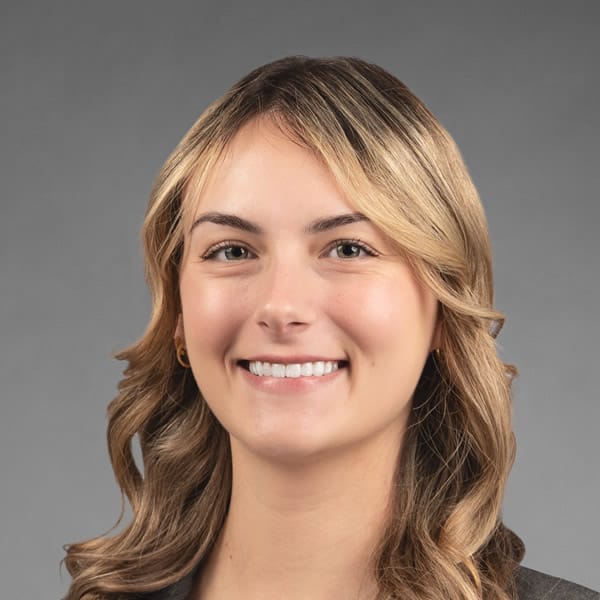
Julie’s practice at Gallon, Takacs & Boissoneault is dedicated to …
